Blog

The Pros and Cons of DRM: Digital Rights Management Explained
The age of the internet and digital content has made protecting your rights as a “content creator” or digital creative fraught with issues of piracy. Even after filling for copyright authors who publish eBooks often have their work illegally copied and distributed over the internet. When you publish your eBook on Kindle Direct Publishing, for example, you are asked if you want to enable Digital Rights Management (also known as DRM), which is a question that can stump many authors.

How to Write a Killer Book Blurb
When it comes to getting a reader’s attention, it’s all about the book packaging—but that doesn’t just refer to front cover design. Sure, a book cover might catch the eye of potential readers, but it’s not the be-all and end-all of book reading persuasion. You also want to make sure that your book features an enticing synopsis or blurb on the back cover.
What Is Your Story About? The Basics of Determining Your Storyline
In fiction writing, there are generally two types of writers: the plotters and the pantsers. Pantsers (as in flying by the seat of one’s pants) are those writers who like to start a novel without relying on a clear plan. They prefer seeing where their stories take them, and plenty of writers do this very well.

KDP Select: What Is It? What Can It Do for Your Book?
If you’re self-publishing, you’ve probably learned by now that many self-published authors run to Amazon’s Kindle Direct Publishing (KDP) to publish, promote, and sell their books. And for a good reason! Amazon holds one of the largest reader platforms, and supplies authors with several tools to help them do all this. One such tool is KDP Select.

Info-Dumps: How to Avoid This Common Writer’s Trap
The literary crime you’re about to commit is a rookie mistake we often see while evaluating manuscripts, and it’s a major faux pas. We like to call it info-dumping and it can seriously drag a great story idea into the dumps (pun intended).

Kickstart 2023 with a Solid Fiction Book Plan
With the new year comes new ideas. If you are a fiction writer, you very likely have already come up with an idea for a new book. The question is, how to take that idea and nurture it into an engaging, publish-ready story? That is where some basic planning comes in!

How to Leverage Book Reviews
We will explore ways to leverage your book reviews to nudge your creation of labor, time, and dedication closer to the top of a reader’s must-buy list.

NaNoWriMo Survival Tip #4: Looking Over Your First Draft
Now that NaNoWriMo is over, you (hopefully) have some kind of draft to show for all your efforts. If it’s a completed manuscript, congratulations! What an accomplishment. You may be tempted to immediately hire an editor, but hold on...

NaNoWriMo Survival Tip #3: Keep Your Characters Interesting
Following our NaNoWriMo tip from last week about staying inspired, this week we turn our attention to your characters. Just like maintaining your own creative stamina to get through the month of November, your characters also need to stay in shape. If your characters seem lacking in some areas, you may need to...

NaNoWriMo Survival Tip #2: So you’re losing inspiration – here’s what to do next
It’s almost inevitable that at some point this month, whenever you sit down to write, you just can’t get the right words out. For writers participating in National Novel Writing Month (NaNoWriMo), this creative block can be especially frustrating if you are ...

NaNoWriMo Survival Tip #1: Feeling Overwhelmed? We’ve Got Your Back!
If you’ve ever found yourself sitting at your computer, staring aimlessly at your screen with a million thoughts and worries going through your head, we’re here to help. With NaNoWriMo in full swing, it can feel like...
Show, Don’t Tell – Tips for Mastering This Critical Writing Skill
In past posts on writing tips, we’ve covered dialogue (LINK) and character development (LINK). Next in our series is one of the most hated phrases writers loath to hear: “Show, don’t tell.” Many writers groan when they receive this type of feedback from their editors, and for good reason! Show, don’t tell is as ambiguous as can be for feedback. So, what exactly does show, don’t tell mean? Well, we’re here to clear things up with a few examples.

Filing for Copyright
In our blog post, 5 Self-Publishing Mistakes to Avoid, we covered some mistakes to avoid while self-publishing. But did you know that authors often overlook a crucial and legal step during their publishing process? When it comes to intellectual property, your book requires all the legal protection it can get...

Four Reliable Book Review Sources for Indie Authors
When it comes to marketing, pre-publication book reviews are key to spreading the buzz around your new book. They provide credibility to you and your book and are relied upon by many players within the literary community, including librarians, educators, publishers, and future readers. If you want trusted voices in the industry to back your books, we recommend going through the review process.

Everything You Need to Know About Writing Dialogue
As a follow-up to our previous blog post about character development, we now turn our attention to another vital element of good fiction: dialogue!

A Style Guide for Your Book Interior: Part 2
In our previous post in this two-part series, we discussed what’s needed in your book’s front matter. For part two of “A Style Guide for Your Book Interior,” we’ll show you how to style and organize your manuscript and...

A Style Guide for Your Book Interior: Part 1
So, you have an edited manuscript. Now what? Before interior layout begins, you want to make sure your content conforms to generally accepted publishing standards. The last thing you want is a book that’s missing key...
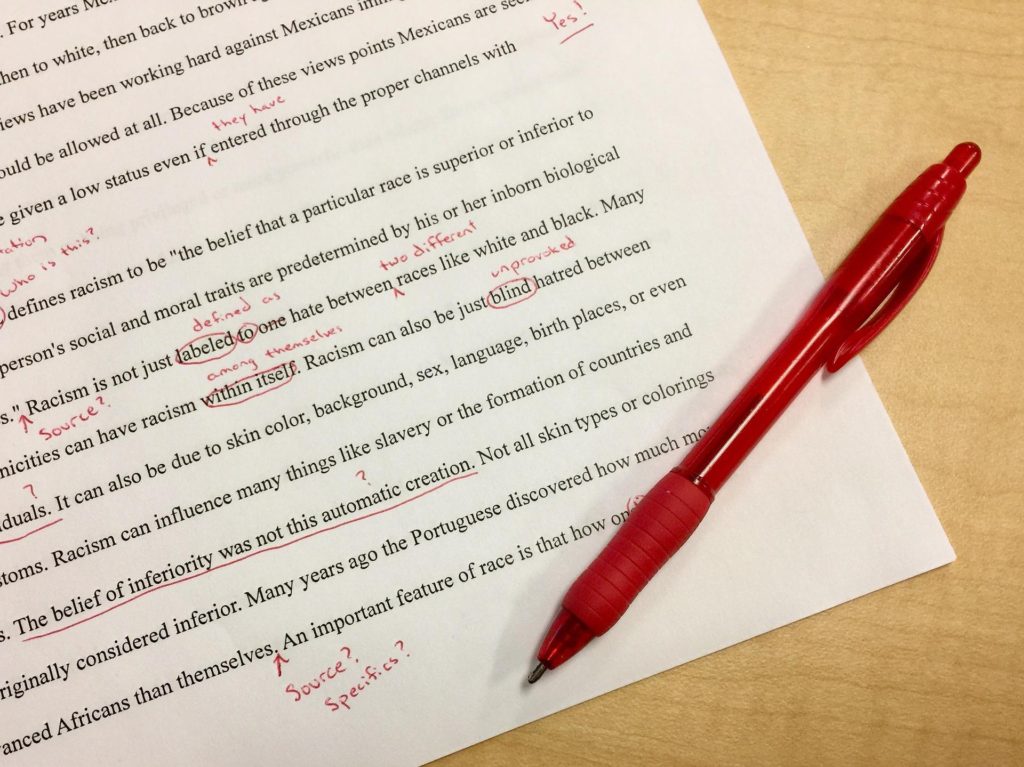
The Different Types of Editing
At some point in your writing journey, editing has probably come across your mind. There are actually three different types of editing, and in this post we will be going over each of them to help you better clarify your path moving forward in the literary field. Who knows, you might even find yourself already using these skills as you create your story.

How to Choose the Right Publishing Partner
Publishing has evolved incredibly over the last couple of decades. And while landing a traditional publishing contract is still much coveted by authors, becoming an indie author is an option that is becoming ever more accessible.
But being an indie author doesn’t necessarily mean you have to do it on your own.

5 Character Development No-no’s
In fiction writing, one of the most daunting tasks is creating compelling characters. Each character in a book enriches the plot, the setting, and the story as a whole. You want your readers to be touched by their experiences and feel that they can relate to your characters, emotionally. To help guide you through that process, we highlight five things to avoid when writing and developing your characters.
- « Previous
- 1
- 2
- 3
- 4
- Next »